


The issues
Rural Schools Face A Unique Set of Challenges
Serving as a teacher or a school leader is particularly difficult in our country’s rural areas. Rural schools educate students in some of the poorest and most mobile environments. Being far from resource-rich suburban and urban locations, students often wait or go without intervention services that could make significant differences in their achievement.
Financial analysts in virtually every state in our country deem funding for rural districts inadequate in comparison to their suburban and urban counterparts.
Finally, the teacher shortages that currently define our country’s public schools are more greatly pronounced in rural schools. The majority struggle to fill positions each year and many have turned to temporary measures such as alternative certification, long-term substitute teachers, on-line teachers, or re-contracted retired teachers.
Teaching and leading in a rural school is unlike service in a suburban or urban setting. It demands an education professional who can assume the responsibilities of a particular role as well as a range of expanded duties, often due to a lack of available support personnel. A rural superintendent may be hired to lead student achievement, but quickly find themselves addressing financial and facilities challenges.
While training and development demands are highly specific to rural environments, most professional development trainings are designed for suburban and urban school systems. Rural ED Consulting understands the challenges of schools in rural settings. We understand because we have had to personally overcome these same challenges. With proven results in establishing talent pipelines, improving fiscal health, mentoring and coaching, developing professional communities and creating tailored professional development programs, we have helped numerous rural school districts transition into desirable destinations for top educational talent.
Common concerns
“ Educators leave after 1-2 years. We just can’t hang on to them”
“Posted vacancies receive only a handful of applicants. In many cases, not a single one is qualified to assume the position.”
“Finding a special education, math/science, or a CTE teacher is just about impossible!” “We had fourteen superintendent vacancies for the rural schools in our state. Only one candidate had ever served as a superintendent. I just don’t know how these candidates are going to be successful.”
“Most alternative and long-term substitute hires lack classroom management skills. It’s frustrating for the teacher, principal, and students.”
“It’s impractical to attend workshops to improve my leadership skills - I have so far to drive from our district to attend one.”
“The staff and I are exhausted with the endless demands from the state for additional training around evaluation, improvement plans, blended learning, and social/emotional learning. We know this training is important, but the state and our school seem to bounce from one project to the next without any long-term focus.”
“The Board tends to think of schools as what they attended 20-30 years ago but so much has changed. I’m not sure how to get them the advanced training around instruction that they need.”
Rural ED Consulting partners with schools
in three key areas to achieve improvement
Analysis to Understand and Guide Practices
We partner with you to analyze four key areas, allowing us to guide you in designing and implementing improved practices and providing you with a sustainable path to excellence resulting improvements to your bottom line and performance.
Fiscal Picture: Review of your district’s current and long-term budgets to align spending with recruitment and retention priorities and potential initiatives.
Schedules/Calendar: Review of your district’s daily schedules to maximize teacher and administrator collaboration, camaraderie, and sense of ownership for the improvement decisions/work of the district. A second review will focus on maximizing your professional development calendar for continuous training.
Policies/Procedures: Review of the policies of your district and how they impact staffing challenges. A second review would consider your district’s collective bargaining agreement(s) and how recruitment and retention can be enhanced through contracts.
Accountability Data: Review of your district’s accountability data based on student achievement information, social emotional survey instruments, et al. This review considers accountability data trends and how strategically addressing those trends will increase recruitment and retention of staff.
Recruitment to Provide Exemplar Staff
We partner with you to implement best practices in four comprehensive areas, allowing you to maximize your district’s potential for recruiting staff from both internal and external sources. You will see improvements in finding the staff your district needs.
Dynamic School System: Establish and market your district as a high-achieving district and a work destination for educators.
Rural School Immersion: Establish and market your district as a clinical training site for higher-education partners. This would include hosting workshops, practicums, internships, et al.
Personalized Recruiting Model: Establish and market your district through unique networking practices.
Community Practices: Establish and market your district through engagement of community members. Examples include social calendars, immersion events, housing plans, partnering with other rural districts, et al.
Retention to Develop Superior Staff
We partner with you in implementing best practices in four selective areas, allowing you to realize your district’s potential for developing staff. You will see improvements in building and maintaining the staff your district needs.
Impactful Skills Growth: Develop and continuously improve educator skills based on evidence for student learning. Example practice to include coaching, targeted professional development, professional learning communities, data analysis, multimodal techniques, classroom management, and classroom organization.
Administrator Support: Develop and continuously improve administrator skills in the areas of instructional leadership, evaluation and feedback practice, and conversations that promote improvement.
Board and Community Support: Develop and continuously improve the Board, superintendent, and leadership team working relationships to align district practices for student learning.
Career Ladders: Develop and continuously improve the opportunities for district educators to achieve training and practicum opportunities through career ladders.
A Bright Future For Your Schools

Partnering with Rural ED Consultants results in a community that is excited about teaching and learning; superintendents that lead instruction, guide fiscal accountability, and advance continuous improvement with the Board; principals that support teacher development and advance school improvement; and teachers that bring out the best in students, are active and vital community members, and progress as leaders.
Your school district is a place where educators want to serve and stay!
“Dr. James Hammack strives to make the district and all employees great, establishes clear goals, models expectations and communicates effectively with every group.”
– J. Frasco, Principal, Morgan Re-3, Colorado
“When the board chose Dr. James Hammack, we challenged him to increase standardized test scores,… He succeeded in accomplishing this task using professional development, data analysis, teacher evaluation, and supporting his administrators and teachers. During his time at Byron, he led the district to exceptional achievement.”
– C. Nauman, Board President, Byron 226, Illinois
“Dr. Susan Hammack is a wonderful mentor for preservice candidates. She models every lesson the candidates are assigned to teach … she evaluates candidates’ teaching ability and provides efficient and helpful feedback.”
- D. Stevens, Ph.D., Professor of Education, Aurora University, Illinois.
“Dr. Susan Hammack has been a phenomenal instructor for our Alternative Teacher Licensure Program…She provides engaging content that includes role playing and scenarios that enable teachers to be successful.”
- A. Salyards, Special Projects Director, Northeast BOCES, Colorado.
Schedule a complimentary consultation for your school district today and get our FREE whitepaper on Adaptive Leadership for Learning
United States of America public schools and school districts find themselves under tremendous systems and societal pressures to achieve annual improvements for student academic growth and achievement, e.g. the continuous improvement of student learning. While schools and school districts participate in a regular litany of annual high-stakes testing, improvement plans, funding models, staffing models, intervention models, online programs, blended learning programs, and political pronouncements, at a data-analysis level, very little has seemed to change.
Your initial consultation is absolutely free. Contact us at the email link provided or by phone (below).
Dr. James Hammack
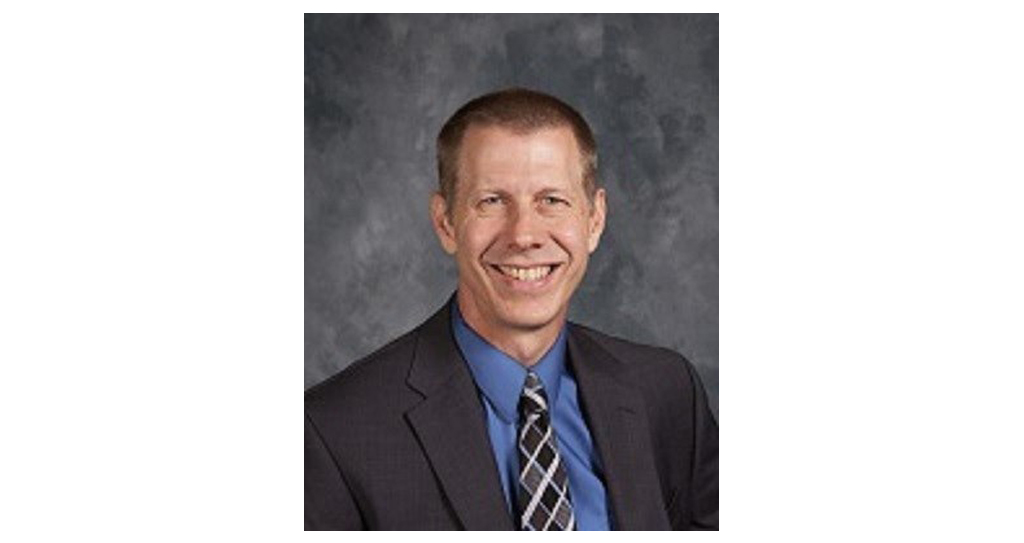
Dr. James Hammack has led multiple rural school districts as a principal and superintendent and achieved the highest student learning results ever in several districts for the ACT and Common Core standardized assessments, including national Blue-Ribbon status.
Dr. Hammack also managed fiscal programming in three districts that resulted in the states’ highest fiscal ratings. In addition, he has advanced exemplar programmatic initiatives for administrator coaching, professional learning communities, instructional rounds, and blended learning that allowed districts to recruit and maintain exemplar staff who were drawn to highly progressive school districts.
He has presented at numerous state and national superintendent and Board workshops on strategic planning and systems leadership for results.
Dr. Hammack has received advanced school leadership training through the Harvard Graduate School of Education and the Center for Educational Leadership at the University of Washington.
Dr. Susan Hammack
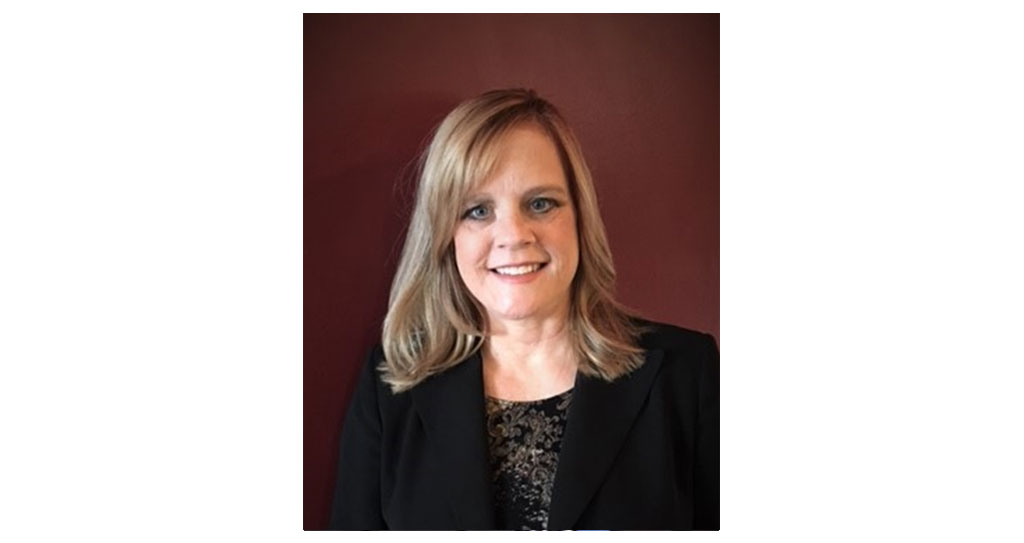
Dr. Susan Hammack created a rural teacher pipeline for students and districts beginning with high school students and culminating with teacher licensure (B.A. Degree). She has trained and mentored hundreds of student teachers, alternative licensure teachers, and novice teachers for success.
She has presented at over thirty state, national, and international forums on teacher effectiveness and classroom management.
Dr. Hammack has an extensive background in K-12 schools and higher education teaching and administration. She is skilled in CAEP Accreditation and edTPA.